

Conservation Begins on Linnahall’s Giant Tapestry
The Open Collections Building Will Become the Artwork’s Future Home
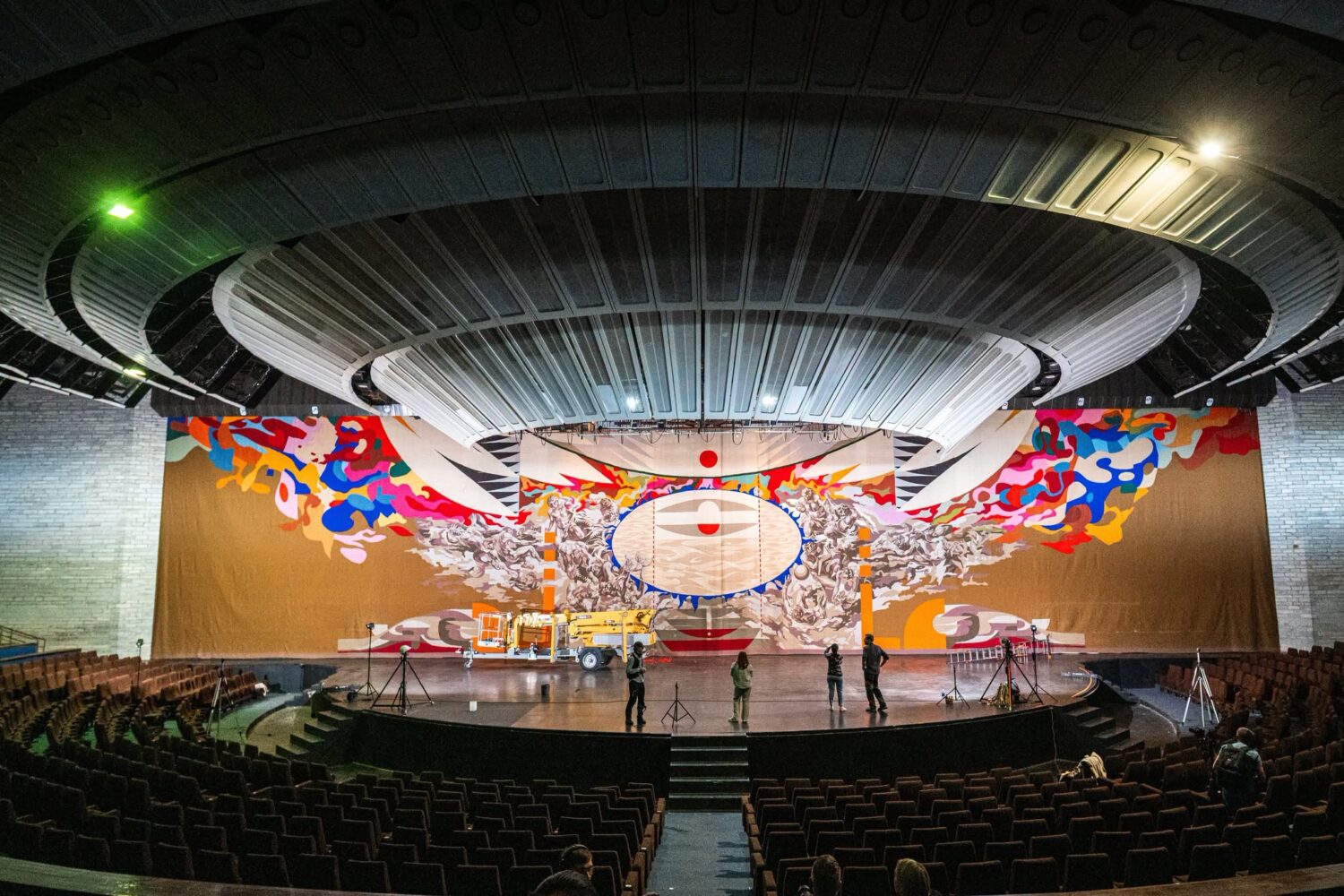
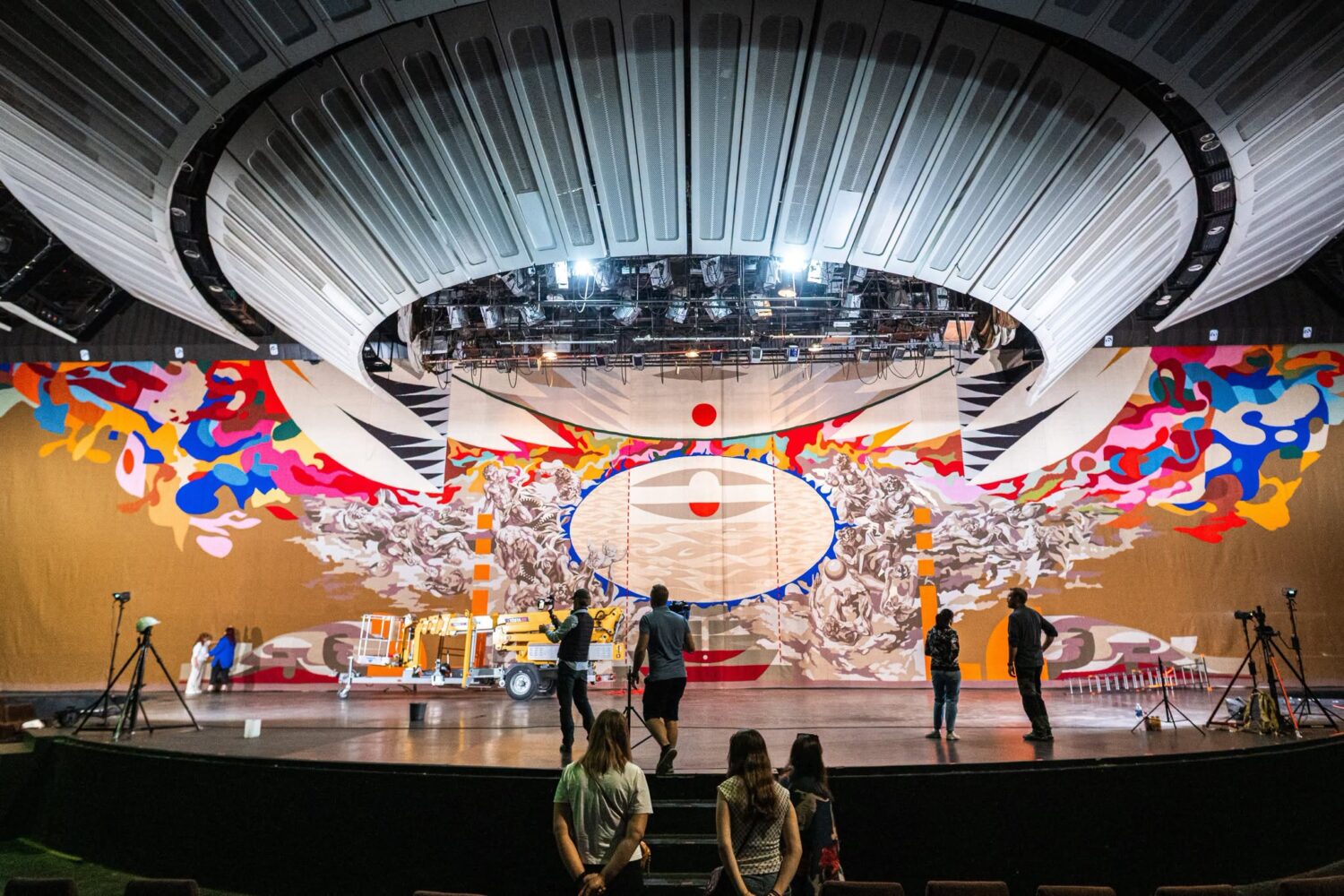
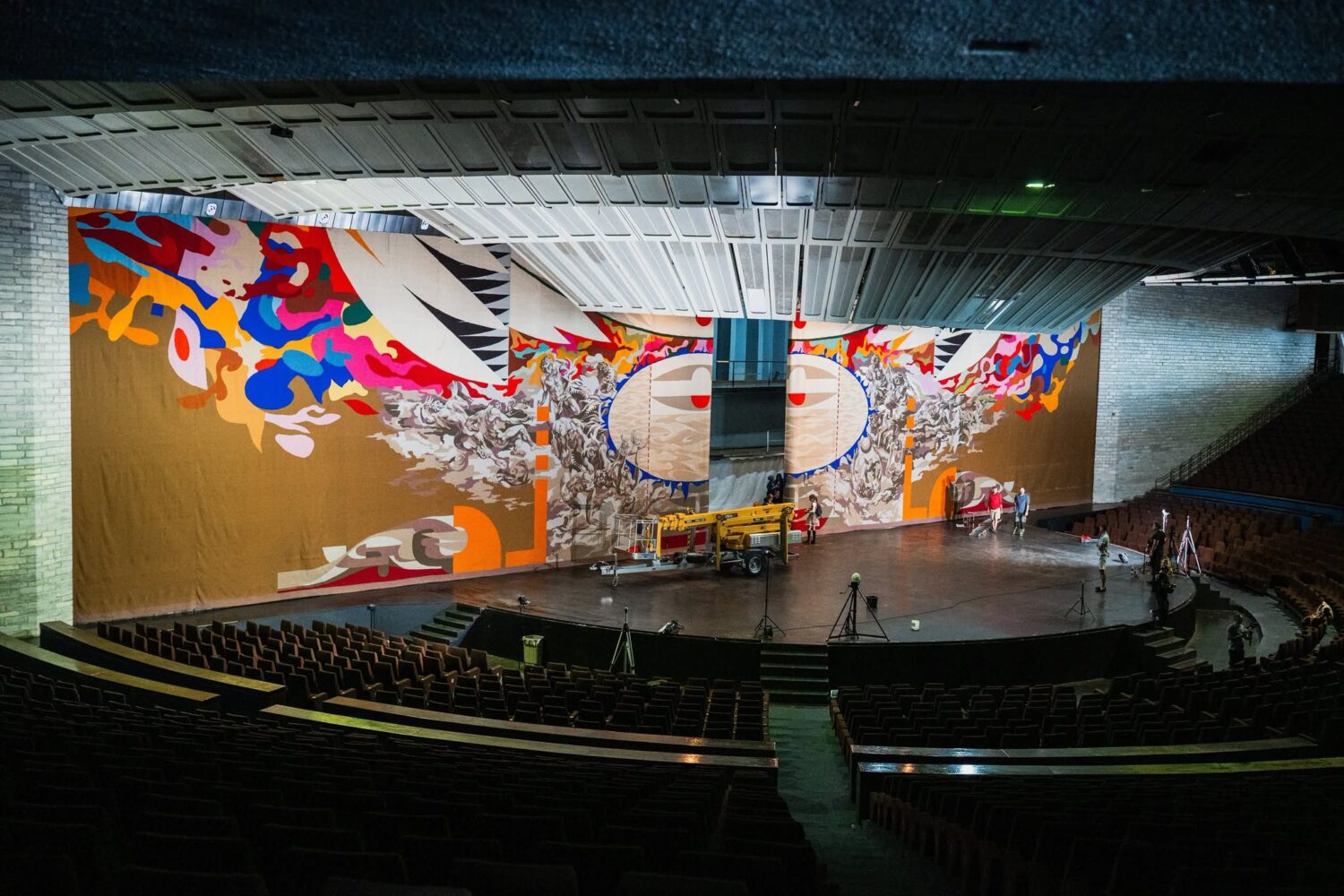
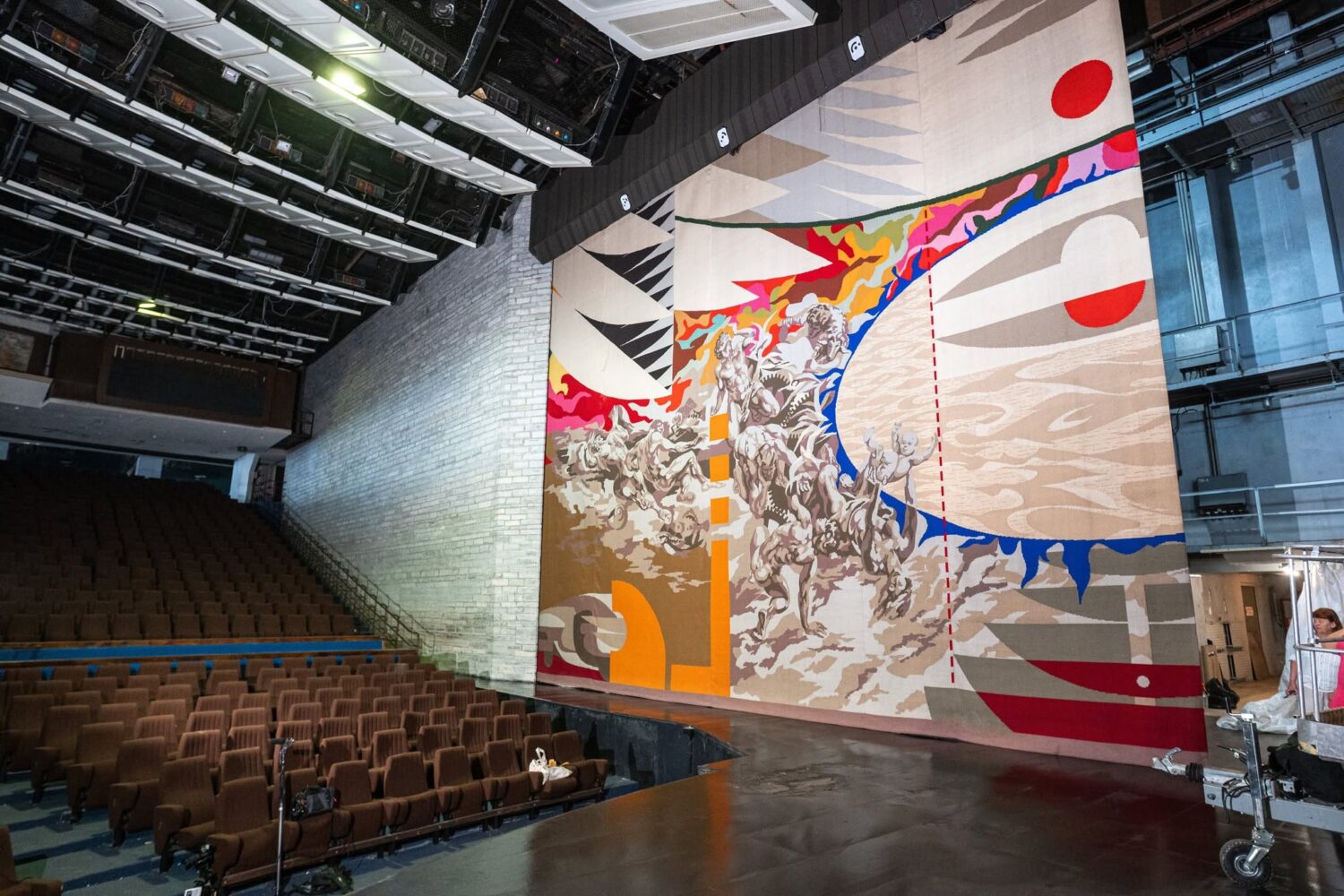
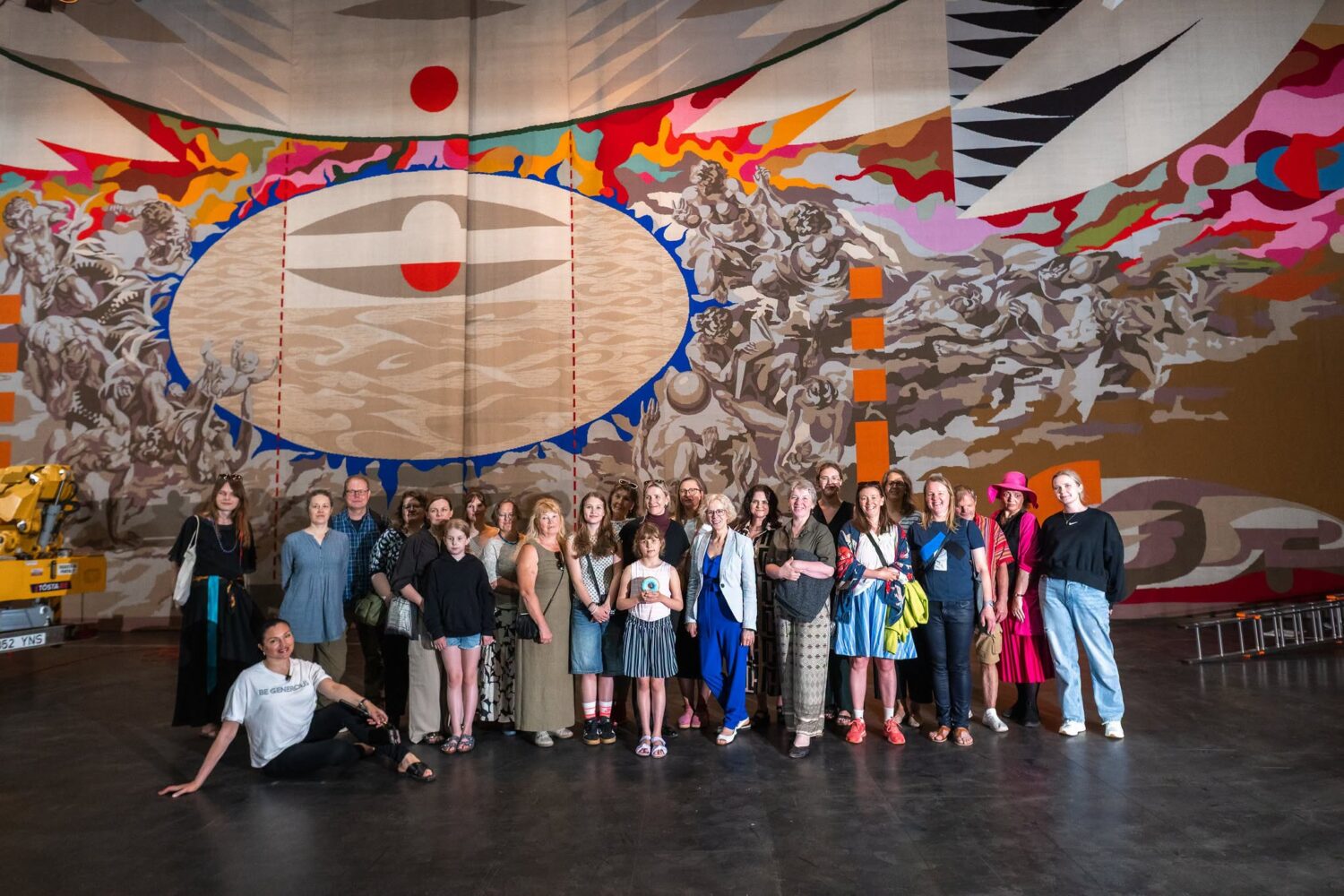
At the end of June, conservation work began at Tallinn Linnahall on Estonia’s largest textile artwork, Lives of People, a tapestry created by artist Enn Põldroos. The project is being led by the Kanut Conservation and Digitisation Centre.
During the project, the monumental stage curtain will be cleaned, studied, conserved and digitised to ensure its preservation and accessibility for future generations.
Completed between 1978 and 1985, Lives of People is a unique cultural heritage object and one of the largest tapestries in the world. While internationally recognised large-scale tapestries generally measure around 280 square metres, the Linnahall tapestry covers approximately 500 square metres, making it exceptional both in Estonia and internationally.
Over the decades, the indoor climate at Linnahall has become unsuitable for the preservation of the tapestry. Humidity, dust and leaks in the building’s roof have damaged the work, and it is no longer possible to store it in its current form. The tapestry has also not been thoroughly cleaned or scientifically analysed for nearly 40 years.
“This project is not simply about preserving a single artwork. It is of landmark importance for the entire field of textile conservation and cultural heritage digitisation in Estonia,” said Janika Turu, Head of Conservation at the Kanut Conservation and Digitisation Centre.
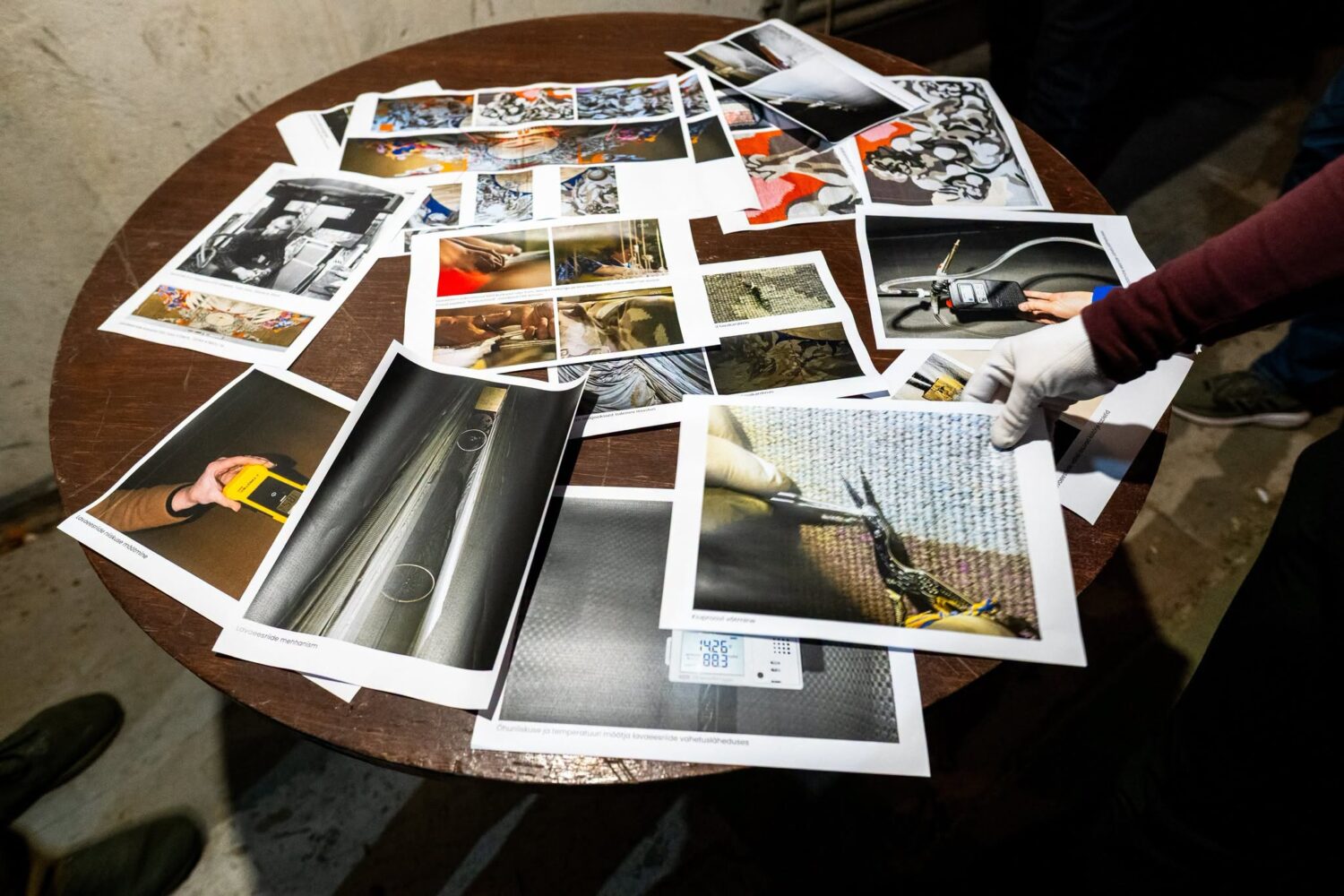
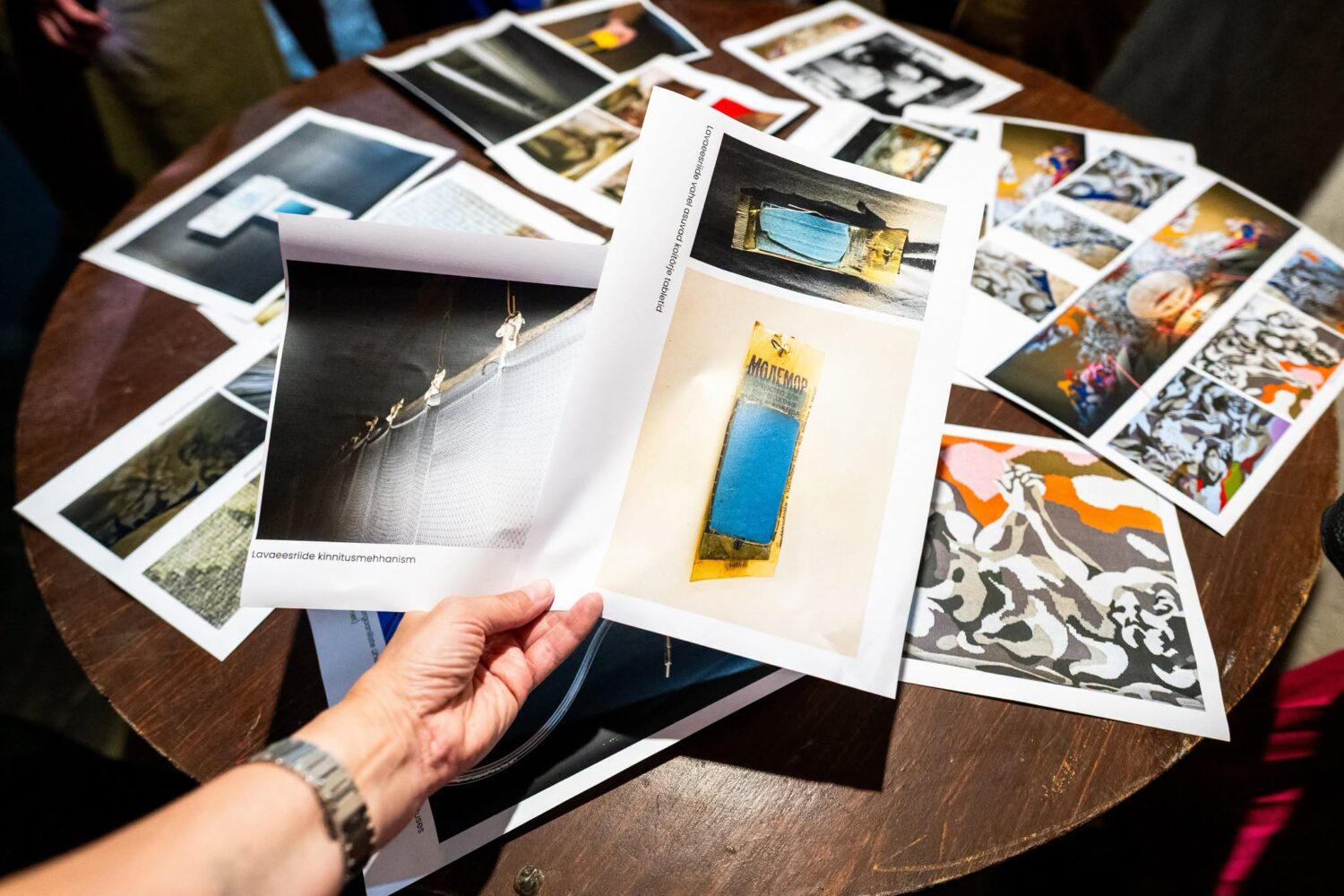
“The research will provide new knowledge about the tapestry, helping us better understand issues such as the ageing of its materials, the dyes used in its production and the chemicals previously applied for preservation. Alongside the physical conservation of the artwork, it is equally important to consider what the project will teach us: new practical skills, valuable experience and deeper professional expertise that will also benefit future conservation projects.”
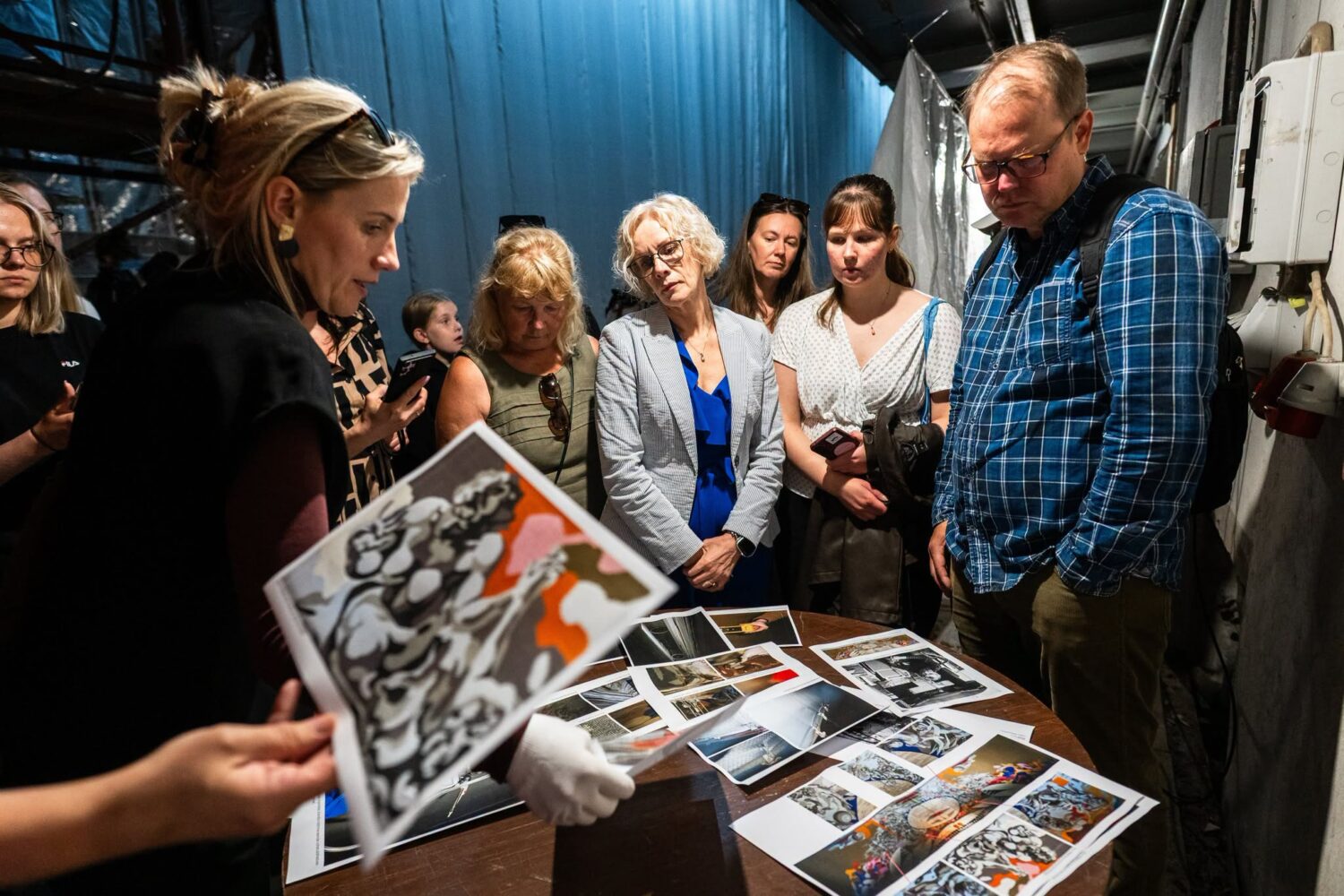
Scientific research is a central part of the project. Specialists will examine the tapestry’s materials, dyes and ageing processes. Based on the results, suitable conservation methods will be developed that may also be used in the future to preserve other monumental textiles.
The project will provide valuable experience for more than 30 Estonian conservators and digitisation specialists, as well as international partners from England.
In addition to preserving the original artwork, a high-quality digital copy of the tapestry will be created. This will allow the work to be displayed in locations and conditions where exhibiting the original would not be possible.
The tapestry’s future home will be the planned Open Collections building near Linnahall, where Tallinn City Museum will ensure its long-term preservation and public accessibility.
Photos: Ellen Rudi, Tallinn Strategic Management Office